Hospitality Work
Aquarius
Hospitality Work
Aquarius
Tides of Arrival
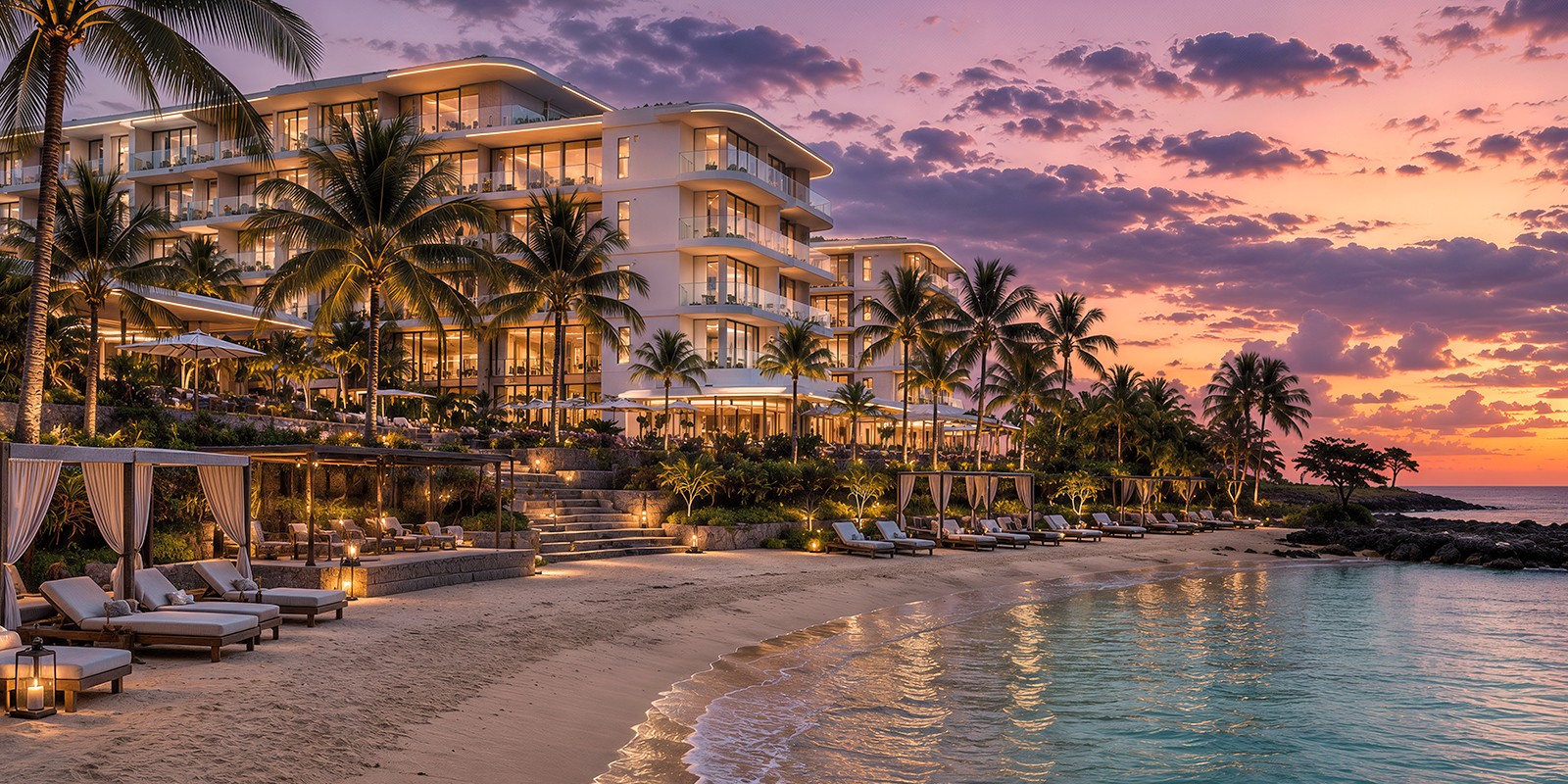
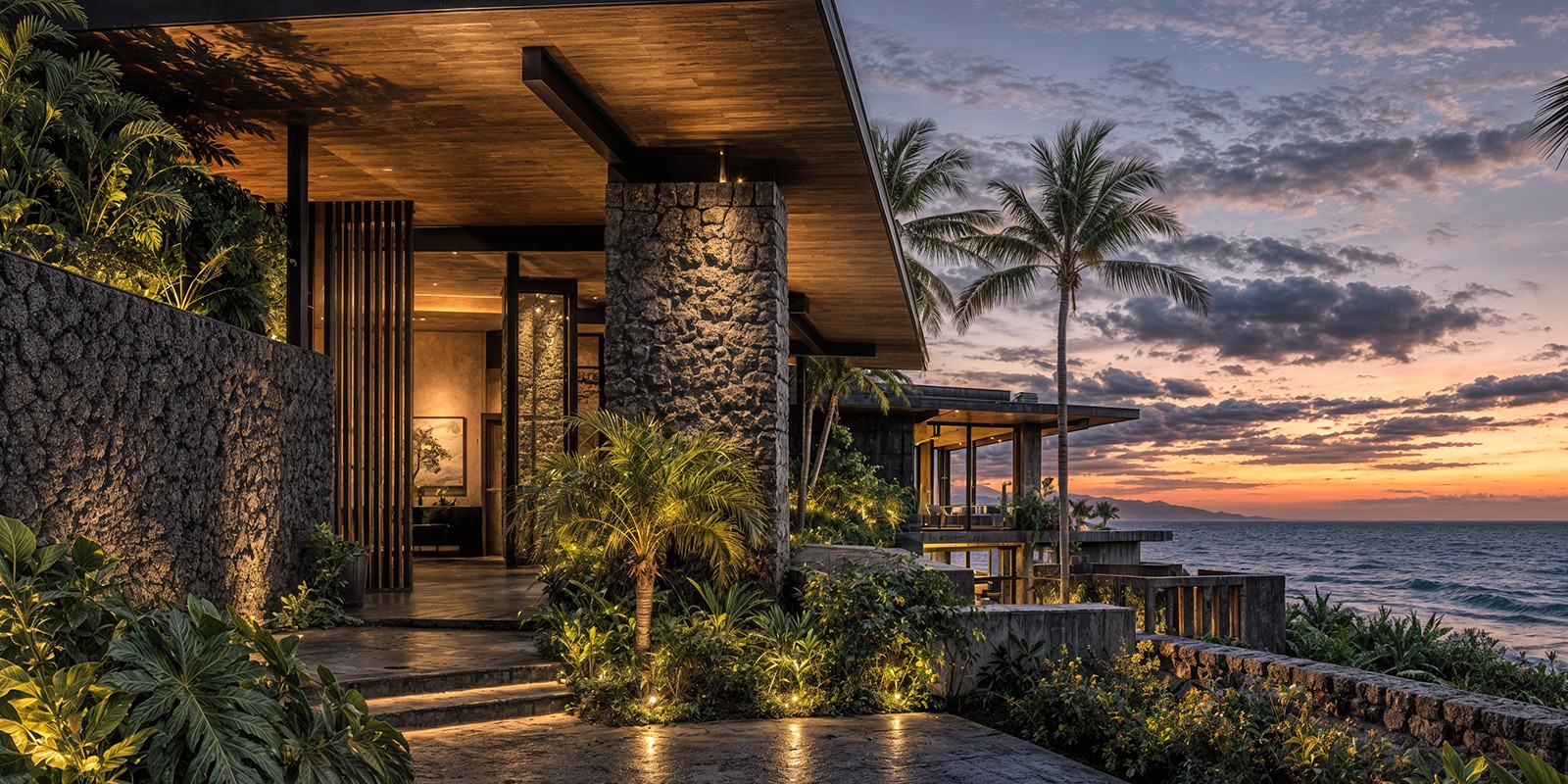
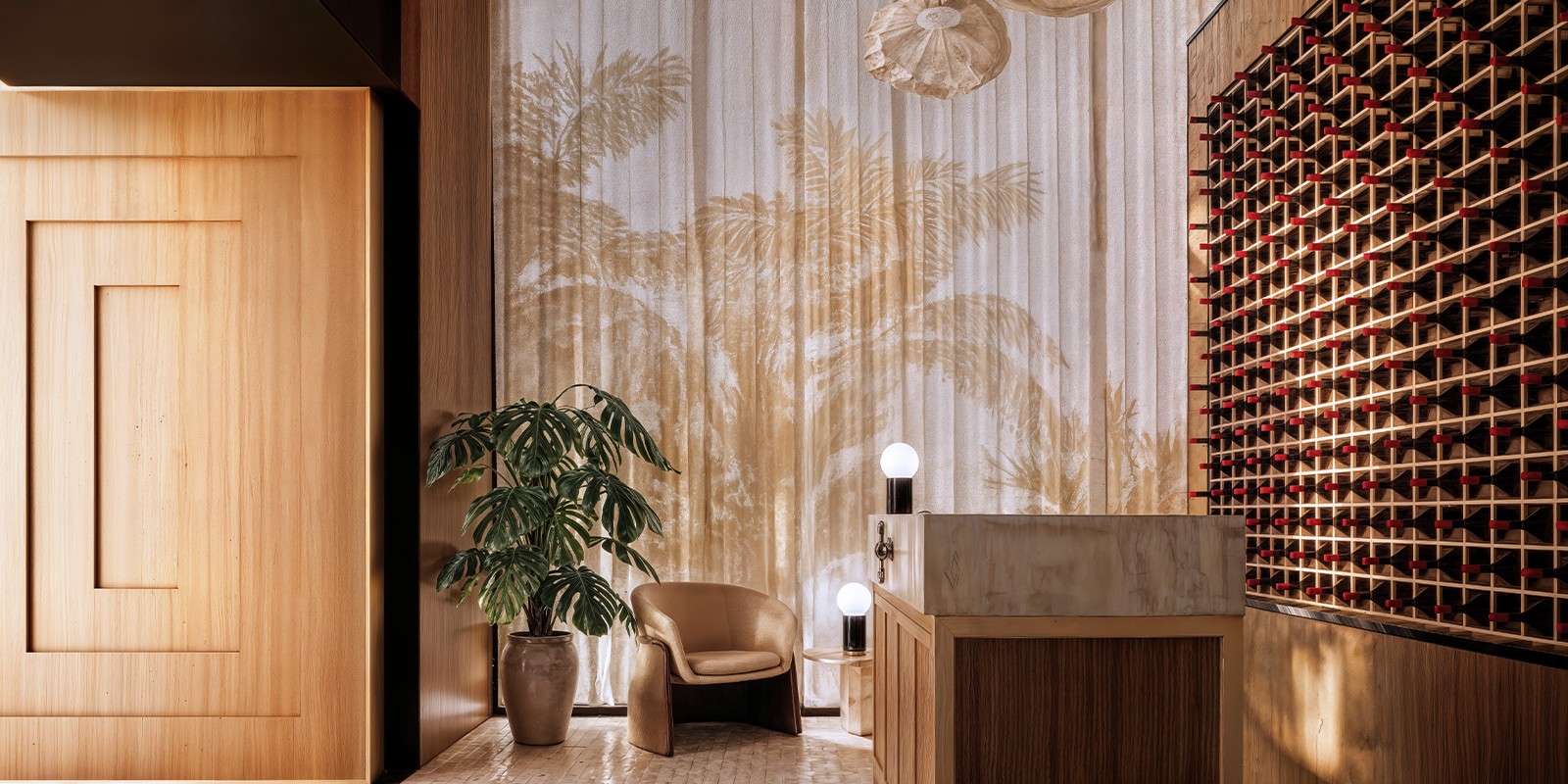
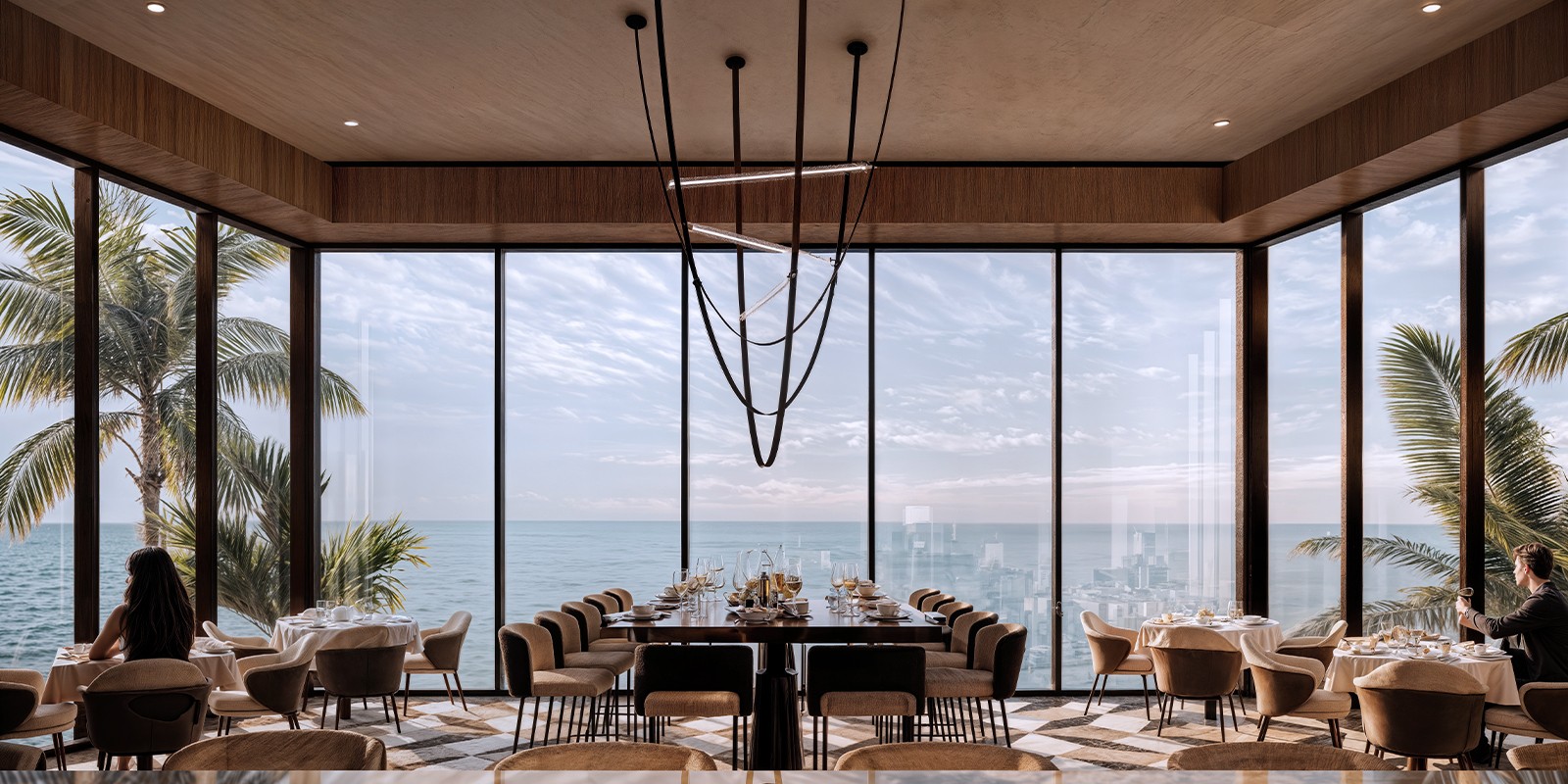
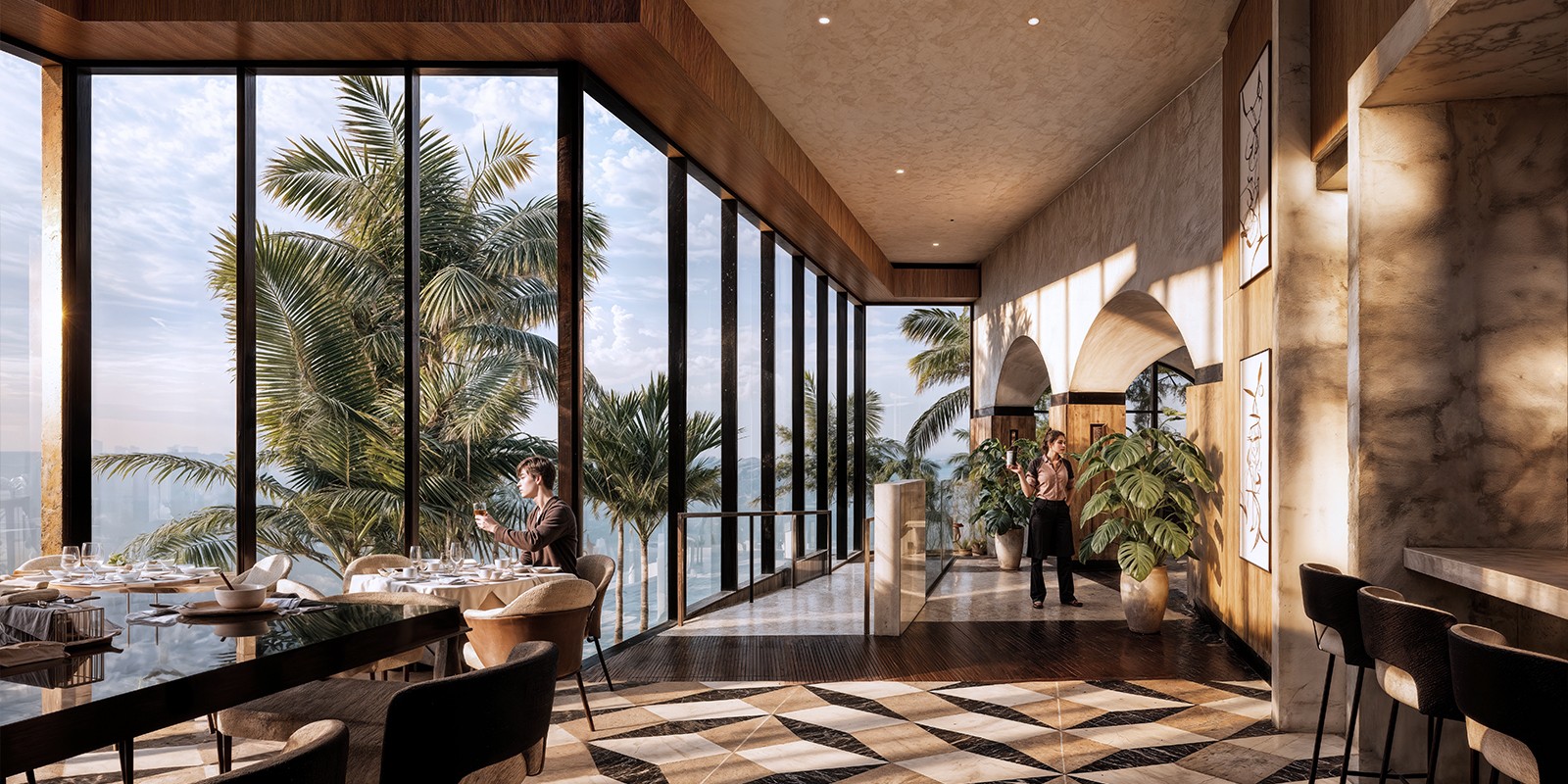
Set within an oceanside hotel, the restaurant unfolds as a gentle transition between land and sea. Guests enter through a sequence of warm wood, filtered light, and softly layered textures that slow the pace and recalibrate the senses. The architecture does not announce itself loudly, but instead draws diners inward through rhythm and repetition, echoing the steady cadence of waves beyond the glass. From the first step inside, the space establishes itself as a place of pause, where arrival feels intentional rather than incidental.
A Room Shaped by Light
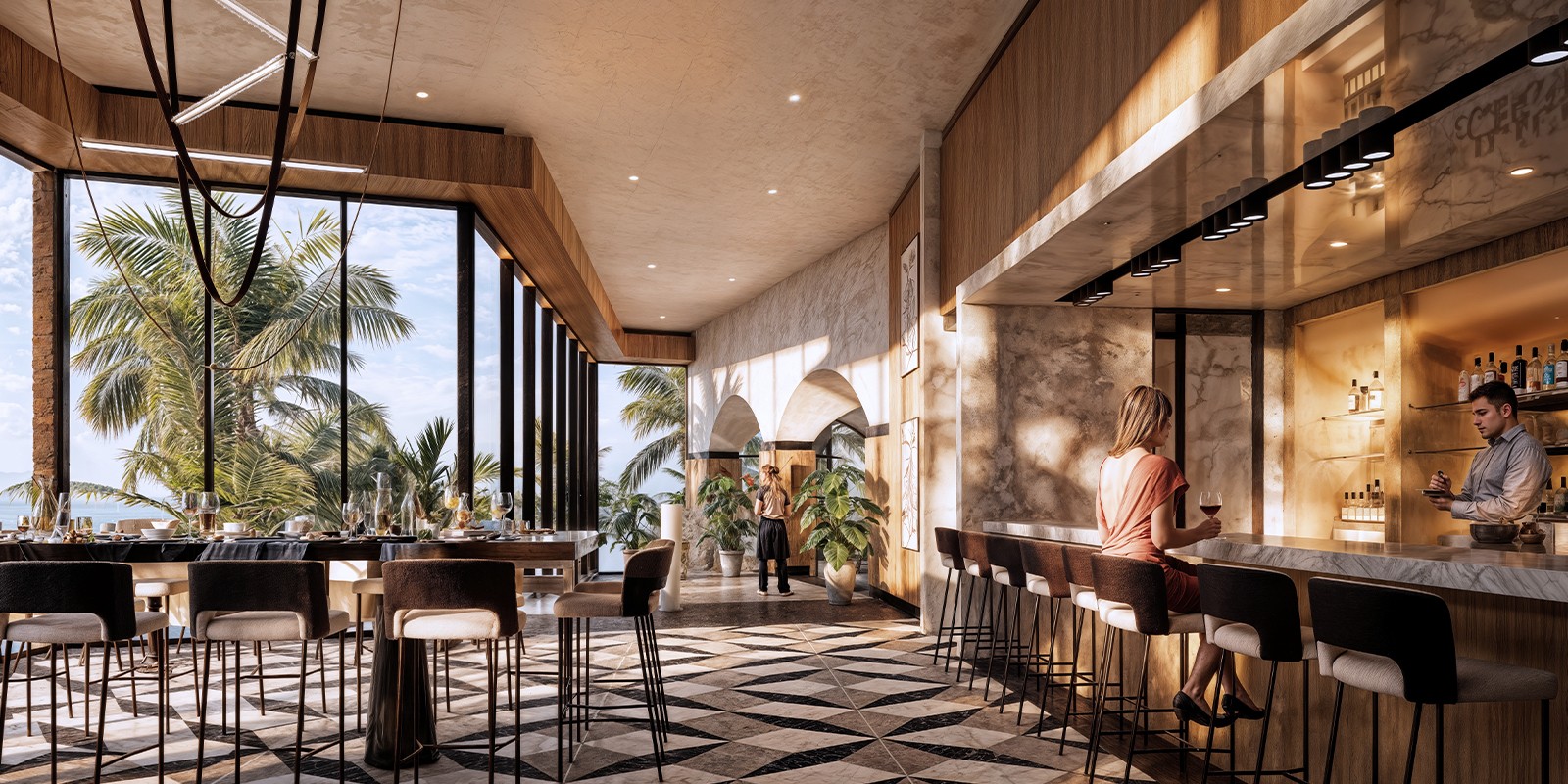
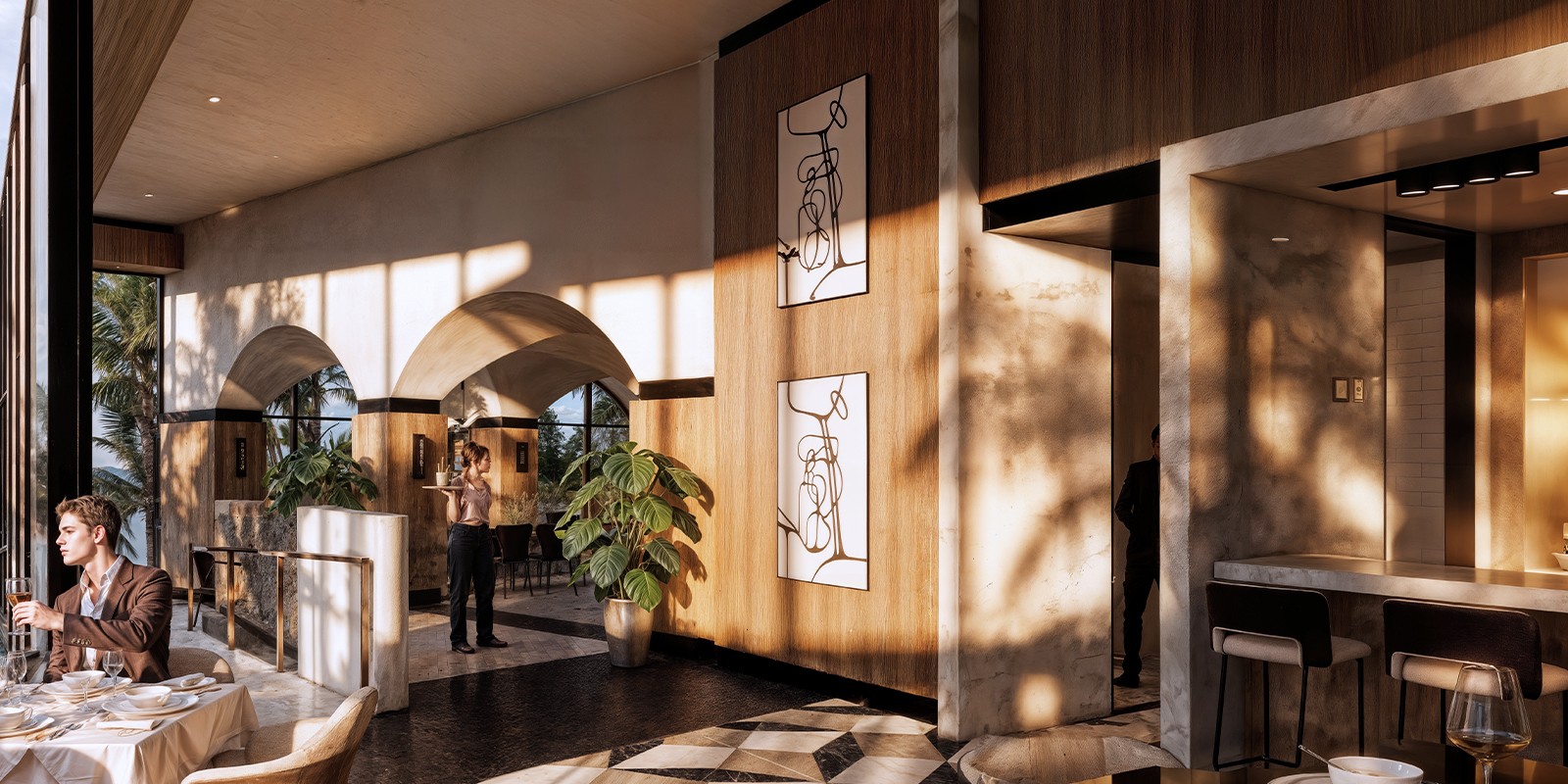
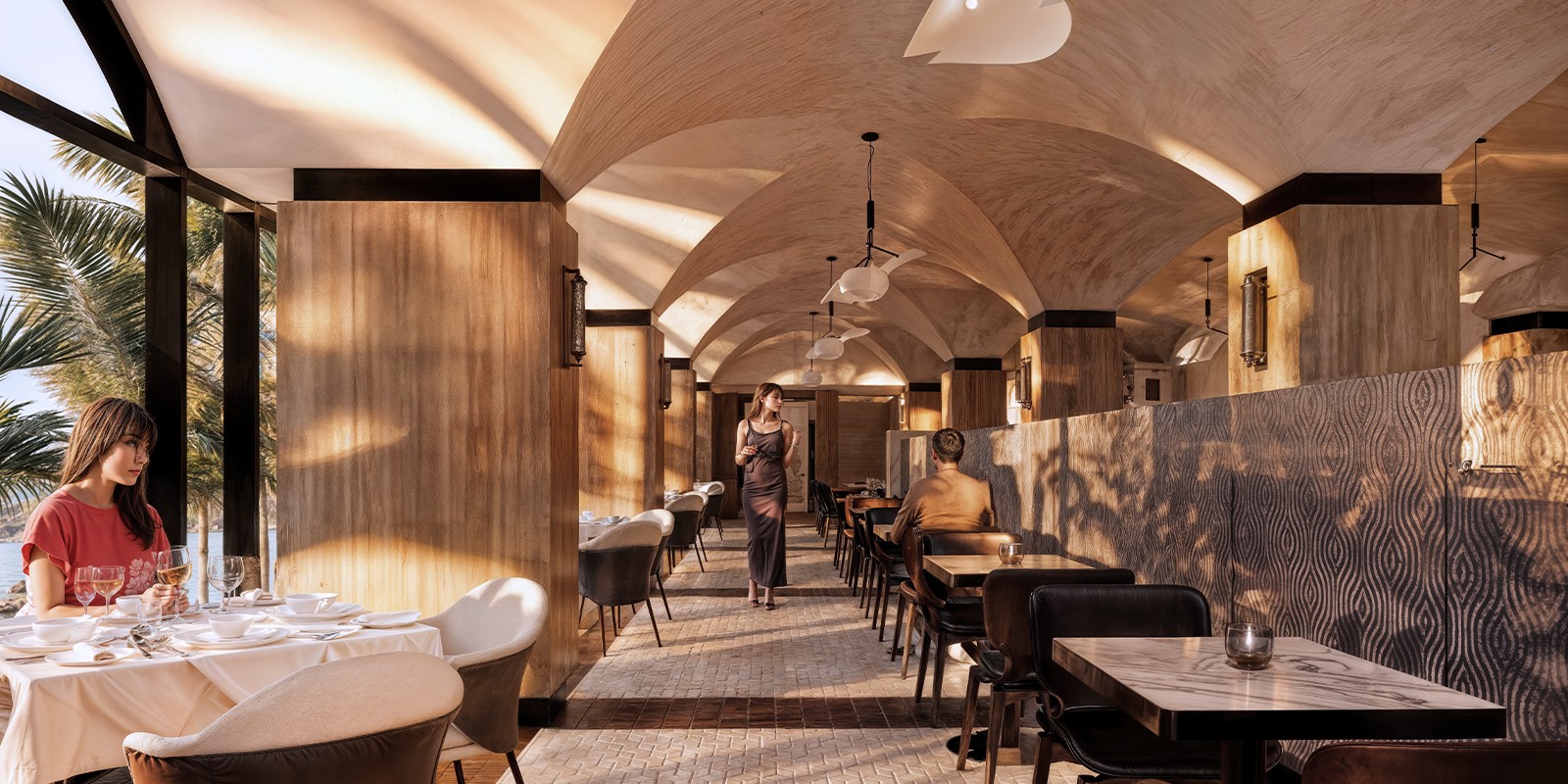
The interior is composed as a series of interrelated rooms rather than a single open volume. Vaulted ceilings and arched openings recall coastal vernacular while remaining resolutely contemporary, allowing light to move across surfaces throughout the day. Pale stone, natural plaster, and finely grained wood are balanced with moments of shadow, creating a tactile environment that feels both refined and grounded. As the sun shifts, the restaurant transforms, morning brightness giving way to a warm, amber glow by evening, reinforcing a deep connection to time and tide.
Dining as Ritual
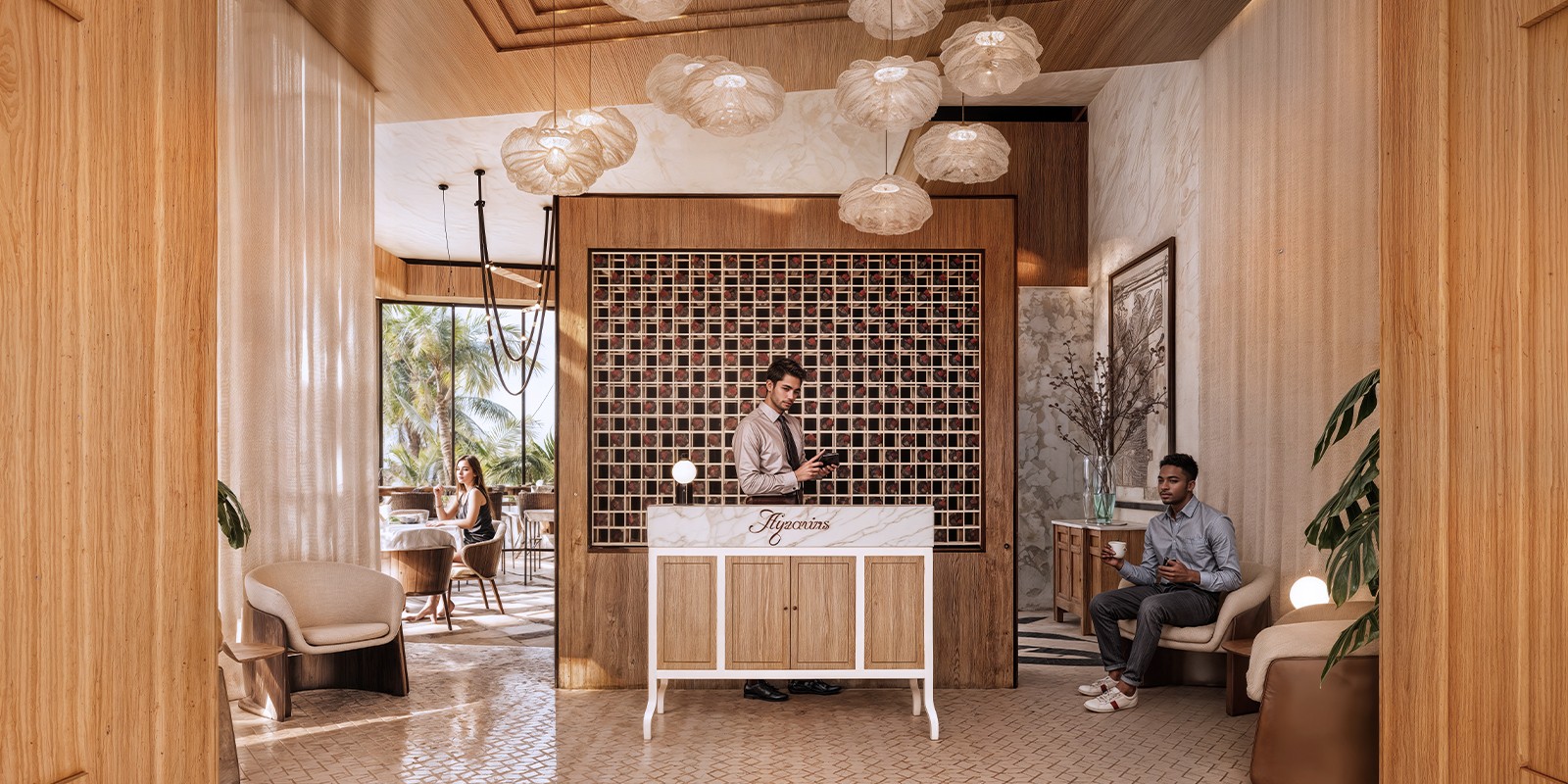
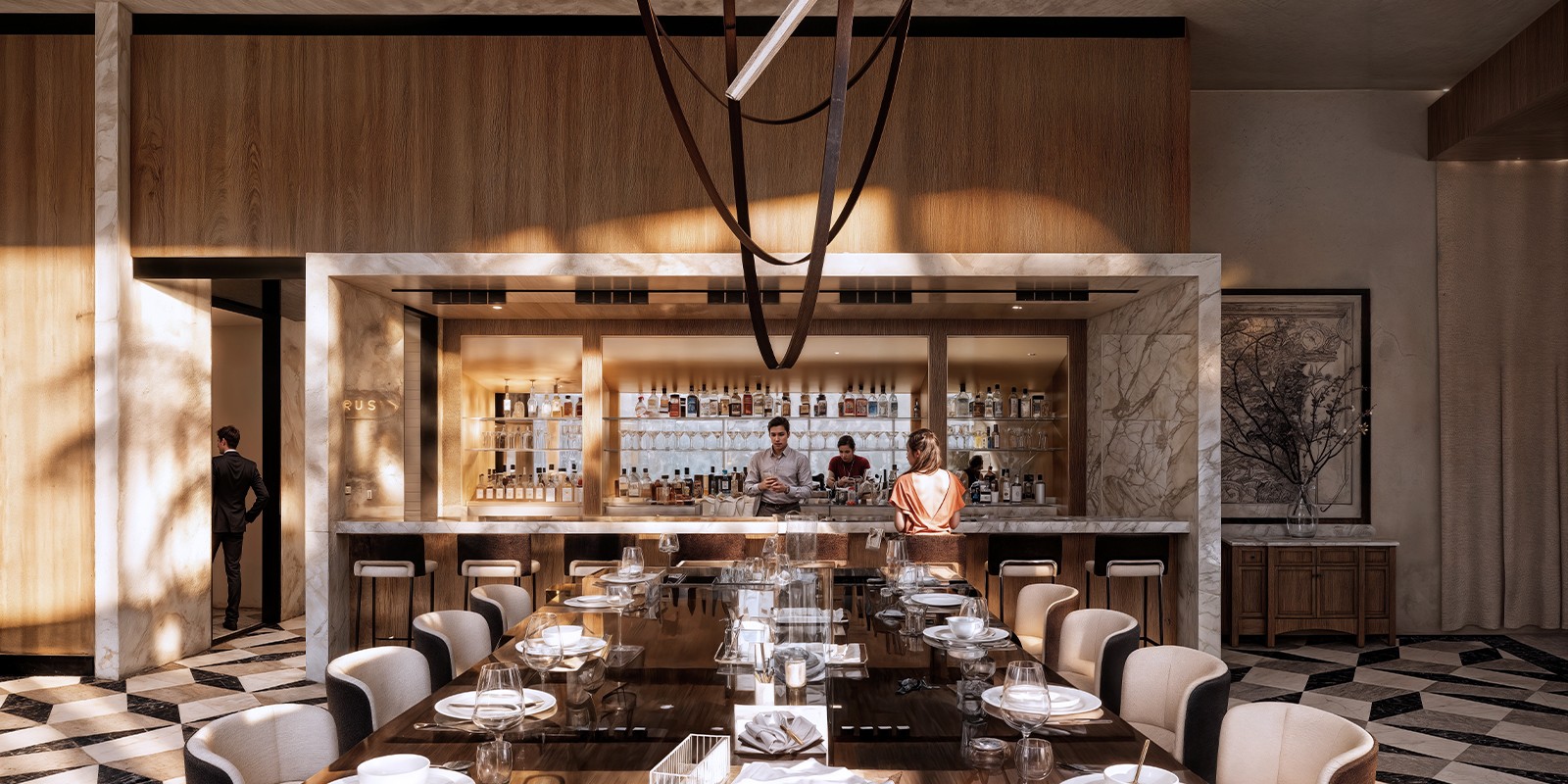
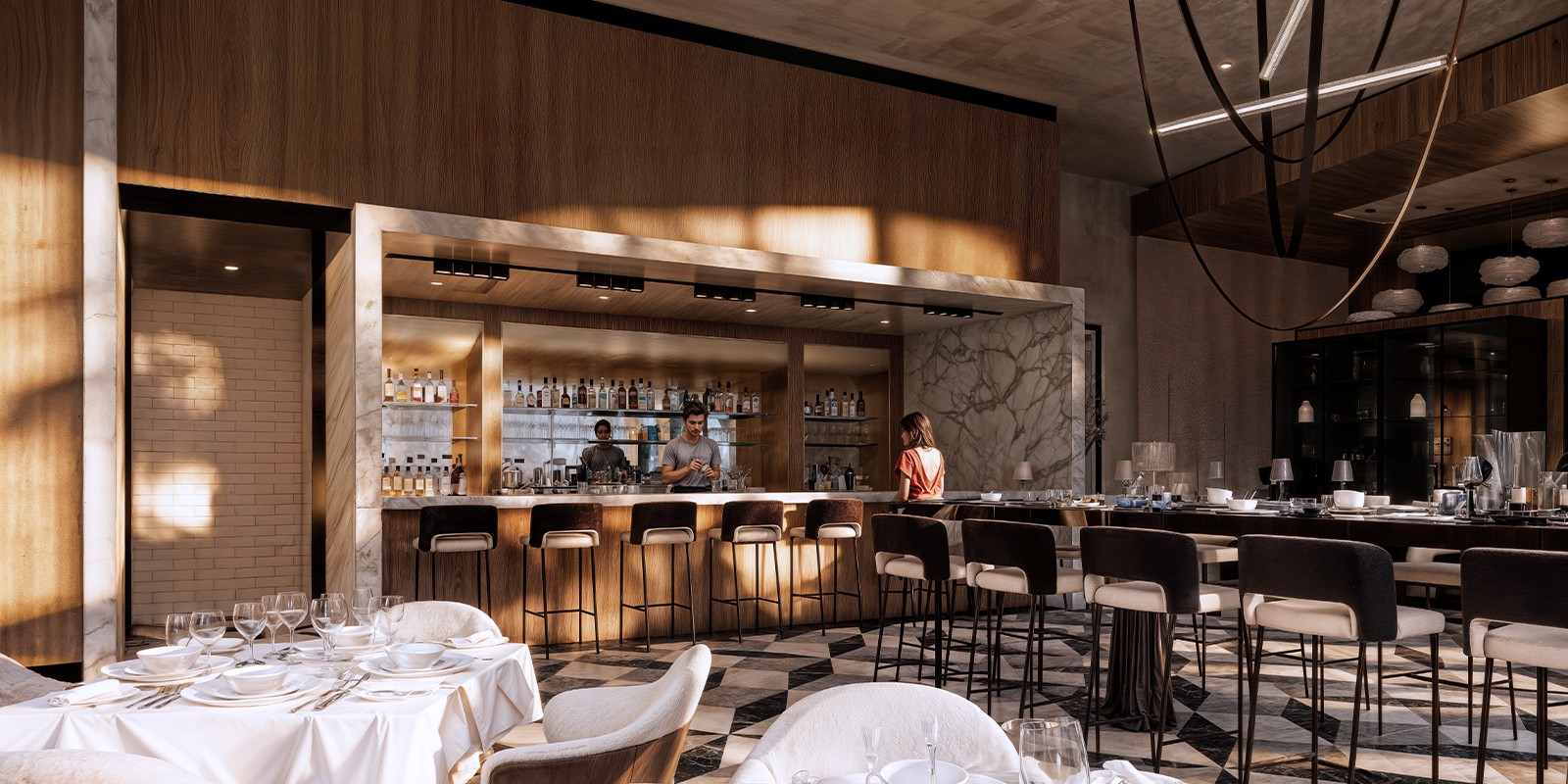
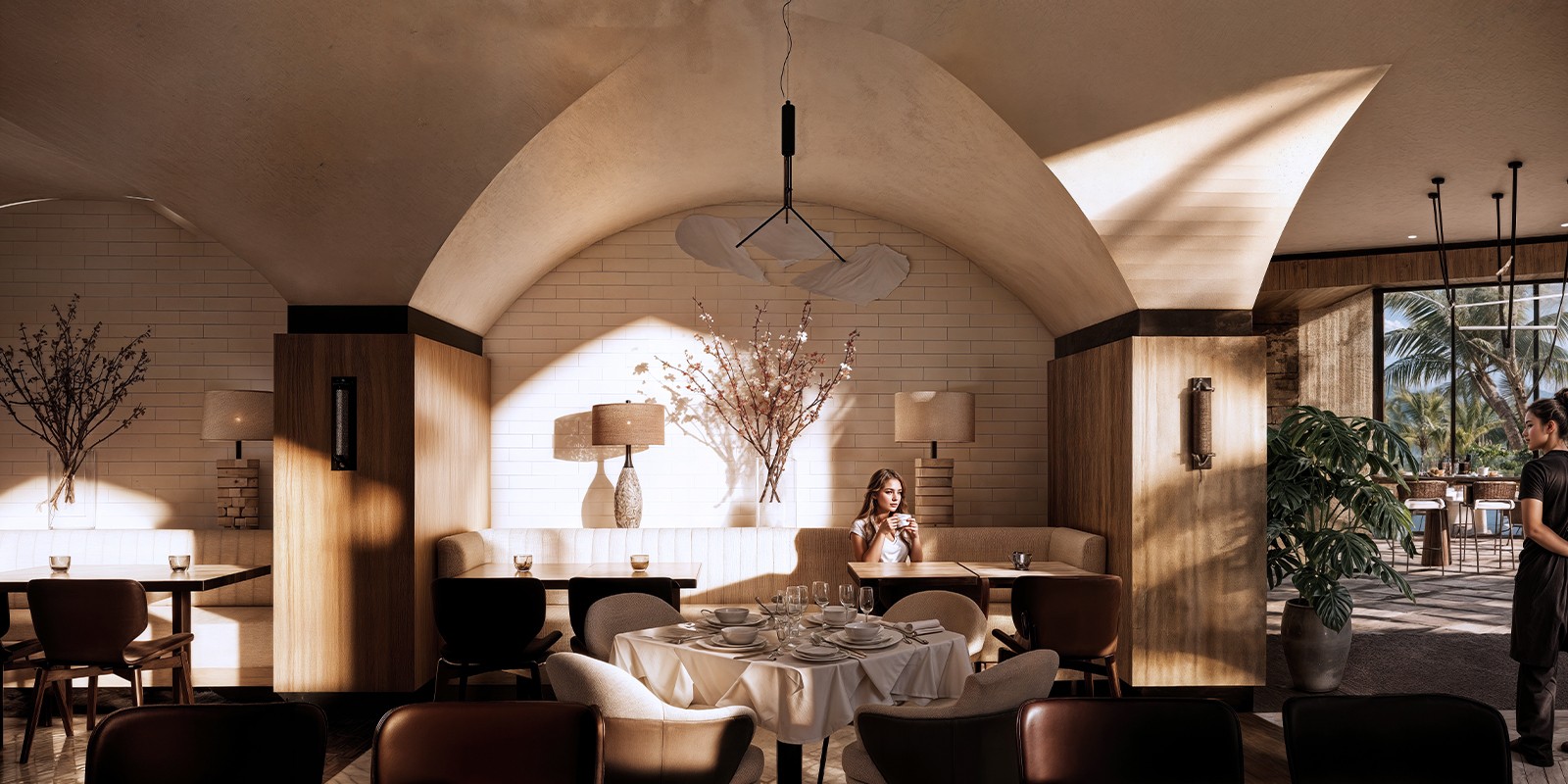
At its heart, the restaurant is conceived as a place of ritual rather than spectacle. Seating is arranged to encourage intimacy without isolation, offering diners a choice between expansive ocean views and more sheltered moments within the interior. The bar becomes a focal point of quiet activity, framed by crafted millwork and softened by diffused lighting. Throughout, the design resists excess, allowing food, conversation, and the surrounding landscape to remain the primary experience. It is a space that feels considered, calm, and enduring, inviting guests to linger rather than rush.
“The design doesn’t compete with the ocean, it listens to it. Every detail feels intentional, creating a dining experience that is as memorable as the setting itself.”
Kevin M. Welch, AIA
Architect + Founder | Arcturus
Tides of Arrival
Set within an oceanside hotel, the restaurant unfolds as a gentle transition between land and sea. Guests enter through a sequence of warm wood, filtered light, and softly layered textures that slow the pace and recalibrate the senses. The architecture does not announce itself loudly, but instead draws diners inward through rhythm and repetition, echoing the steady cadence of waves beyond the glass. From the first step inside, the space establishes itself as a place of pause, where arrival feels intentional rather than incidental.
Hospitality Work
Aquarius
Tides of Arrival
Set within an oceanside hotel, the restaurant unfolds as a gentle transition between land and sea. Guests enter through a sequence of warm wood, filtered light, and softly layered textures that slow the pace and recalibrate the senses. The architecture does not announce itself loudly, but instead draws diners inward through rhythm and repetition, echoing the steady cadence of waves beyond the glass. From the first step inside, the space establishes itself as a place of pause, where arrival feels intentional rather than incidental.
A Room Shaped by Light
The interior is composed as a series of interrelated rooms rather than a single open volume. Vaulted ceilings and arched openings recall coastal vernacular while remaining resolutely contemporary, allowing light to move across surfaces throughout the day. Pale stone, natural plaster, and finely grained wood are balanced with moments of shadow, creating a tactile environment that feels both refined and grounded. As the sun shifts, the restaurant transforms, morning brightness giving way to a warm, amber glow by evening, reinforcing a deep connection to time and tide.
Dining as Ritual
At its heart, the restaurant is conceived as a place of ritual rather than spectacle. Seating is arranged to encourage intimacy without isolation, offering diners a choice between expansive ocean views and more sheltered moments within the interior. The bar becomes a focal point of quiet activity, framed by crafted millwork and softened by diffused lighting. Throughout, the design resists excess, allowing food, conversation, and the surrounding landscape to remain the primary experience. It is a space that feels considered, calm, and enduring, inviting guests to linger rather than rush.
“The design doesn’t compete with the ocean, it listens to it. Every detail feels intentional, creating a dining experience that is as memorable as the setting itself.”
Kevin M. Welch, AIA
Architect + Founder | Arcturus
A Room Shaped by Light
The interior is composed as a series of interrelated rooms rather than a single open volume. Vaulted ceilings and arched openings recall coastal vernacular while remaining resolutely contemporary, allowing light to move across surfaces throughout the day. Pale stone, natural plaster, and finely grained wood are balanced with moments of shadow, creating a tactile environment that feels both refined and grounded. As the sun shifts, the restaurant transforms, morning brightness giving way to a warm, amber glow by evening, reinforcing a deep connection to time and tide.
Dining as Ritual
At its heart, the restaurant is conceived as a place of ritual rather than spectacle. Seating is arranged to encourage intimacy without isolation, offering diners a choice between expansive ocean views and more sheltered moments within the interior. The bar becomes a focal point of quiet activity, framed by crafted millwork and softened by diffused lighting. Throughout, the design resists excess, allowing food, conversation, and the surrounding landscape to remain the primary experience. It is a space that feels considered, calm, and enduring, inviting guests to linger rather than rush.
“The design doesn’t compete with the ocean, it listens to it. Every detail feels intentional, creating a dining experience that is as memorable as the setting itself.”
Kevin M. Welch, AIA
Architect + Founder | Arcturus