Residential Work
Hale'iwa Garden Home
Residential Work
Hale'iwa Garden Home
A Garden Held in Shade
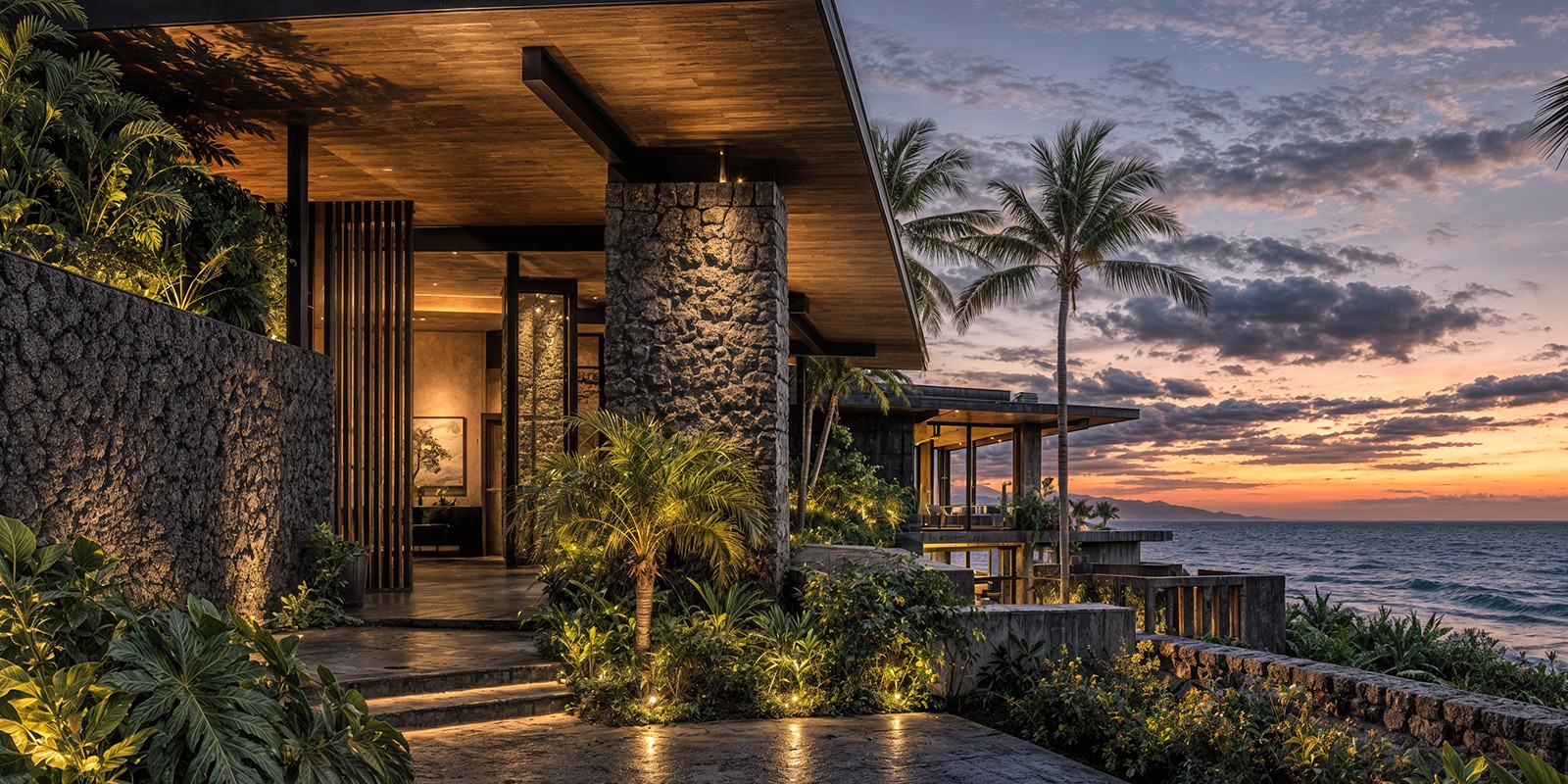
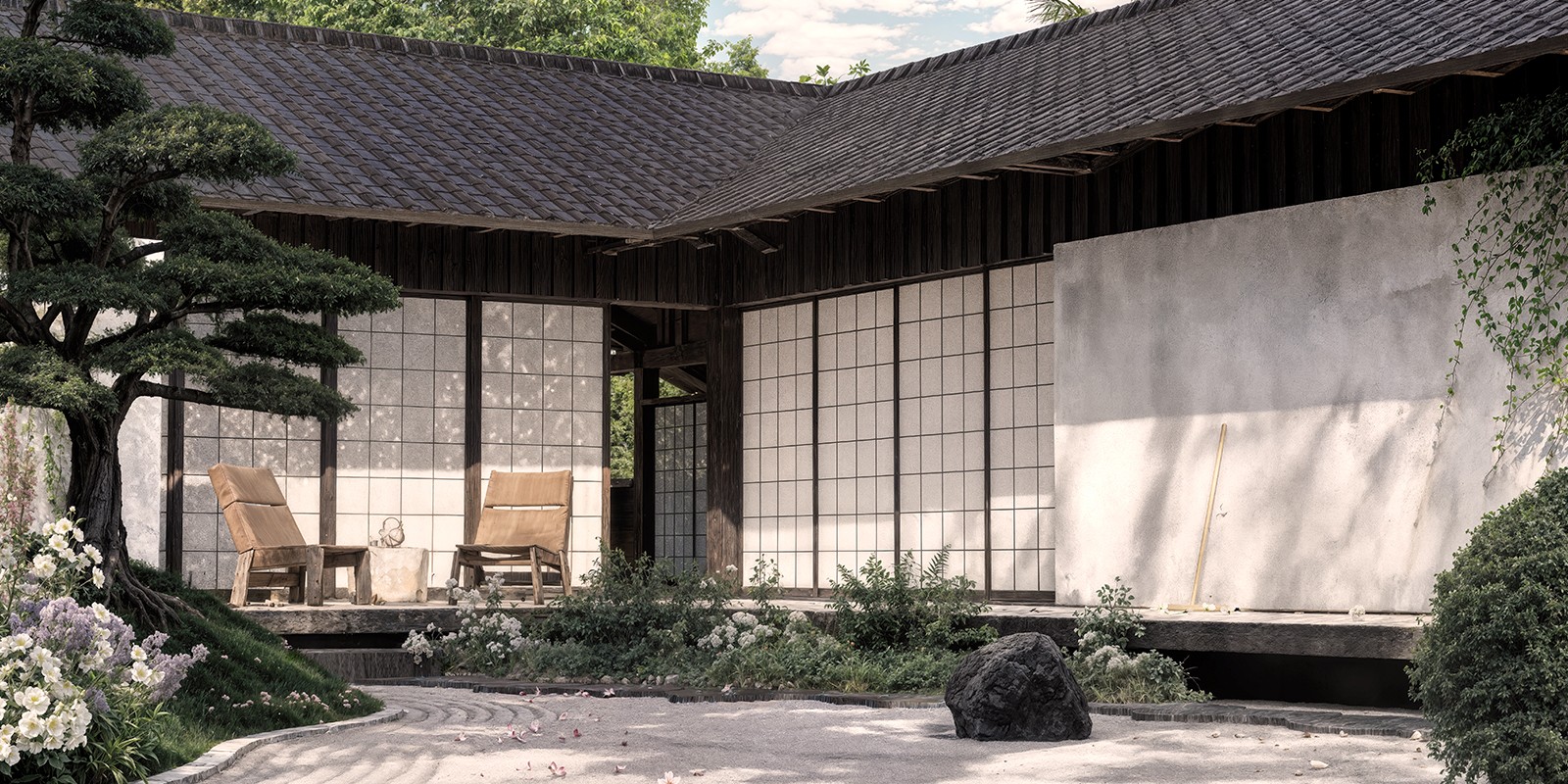
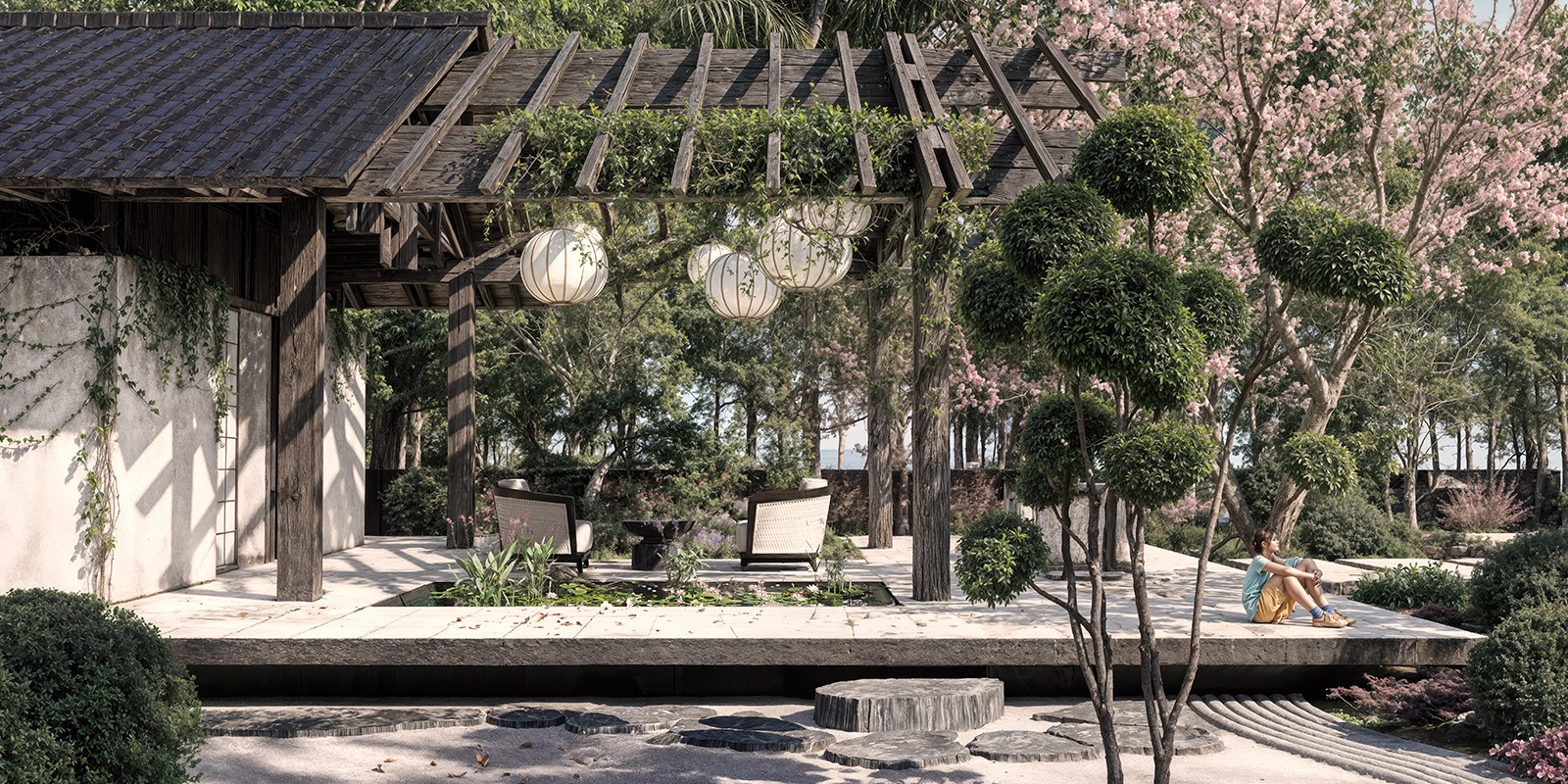
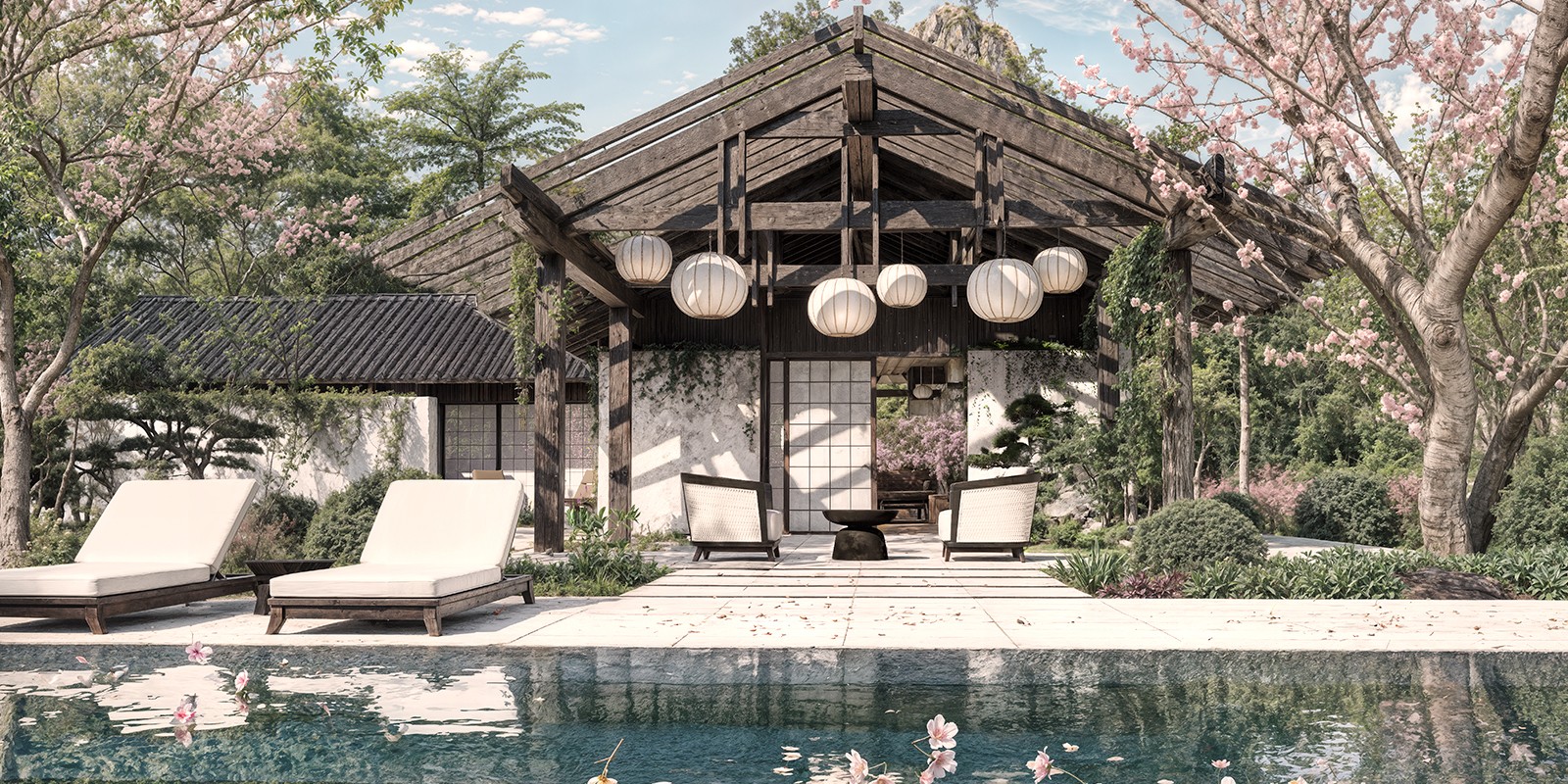
Set within the coastal landscape of Haleʻiwa, the house is conceived not as an object placed upon the land, but as a quiet framework for garden and air. Low timber roofs extend outward to form deep overhangs that temper sun and rain, shaping a sheltered court at the heart of the home. Plaster walls and sliding panels define a series of edges that open and close with restraint, allowing vegetation, filtered light, and shadow to become the primary atmosphere. The architecture is grounded, deliberate, and shaped by the desire for retreat within a lush North Shore setting.
Material and Light in Balance
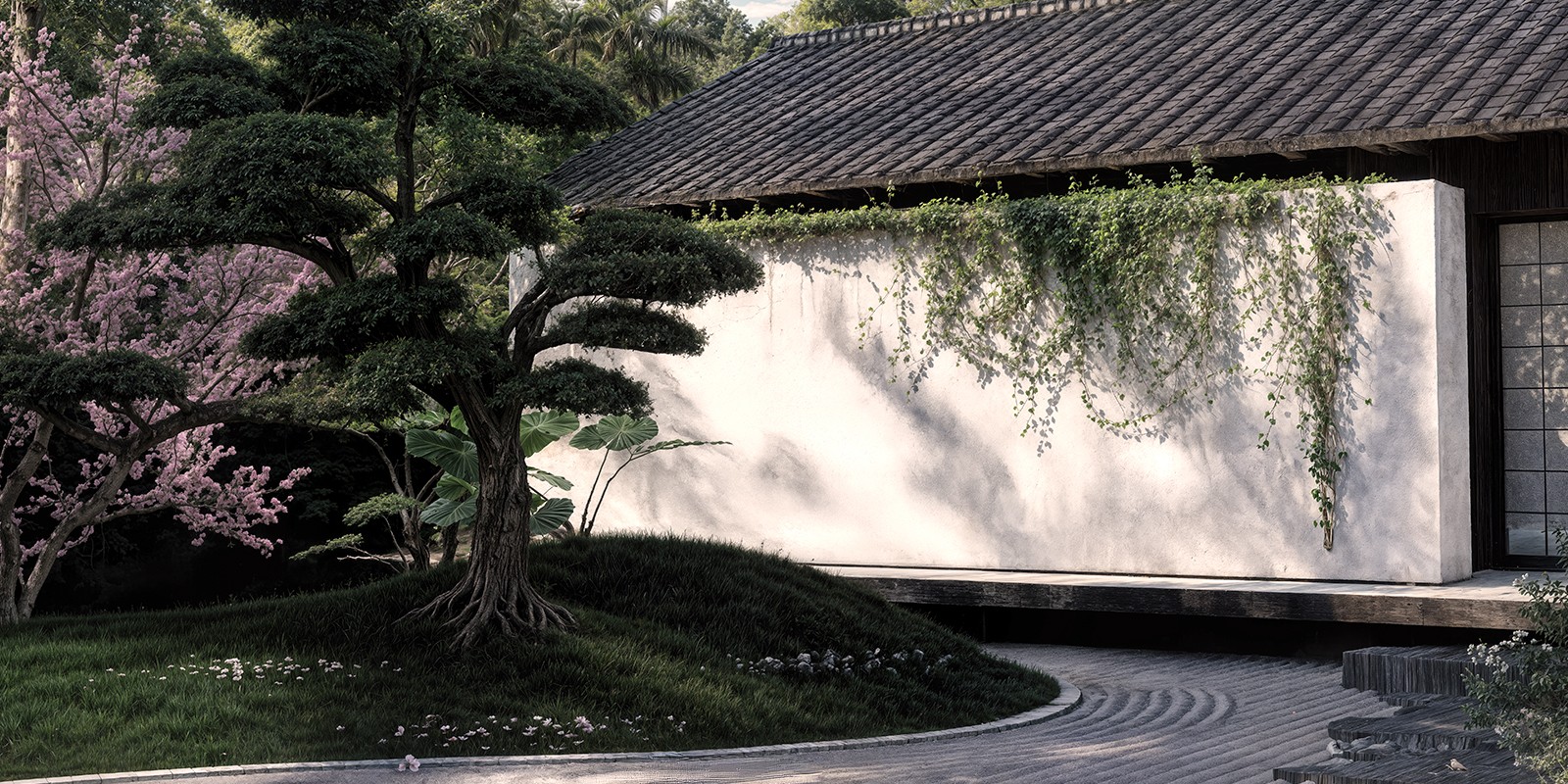
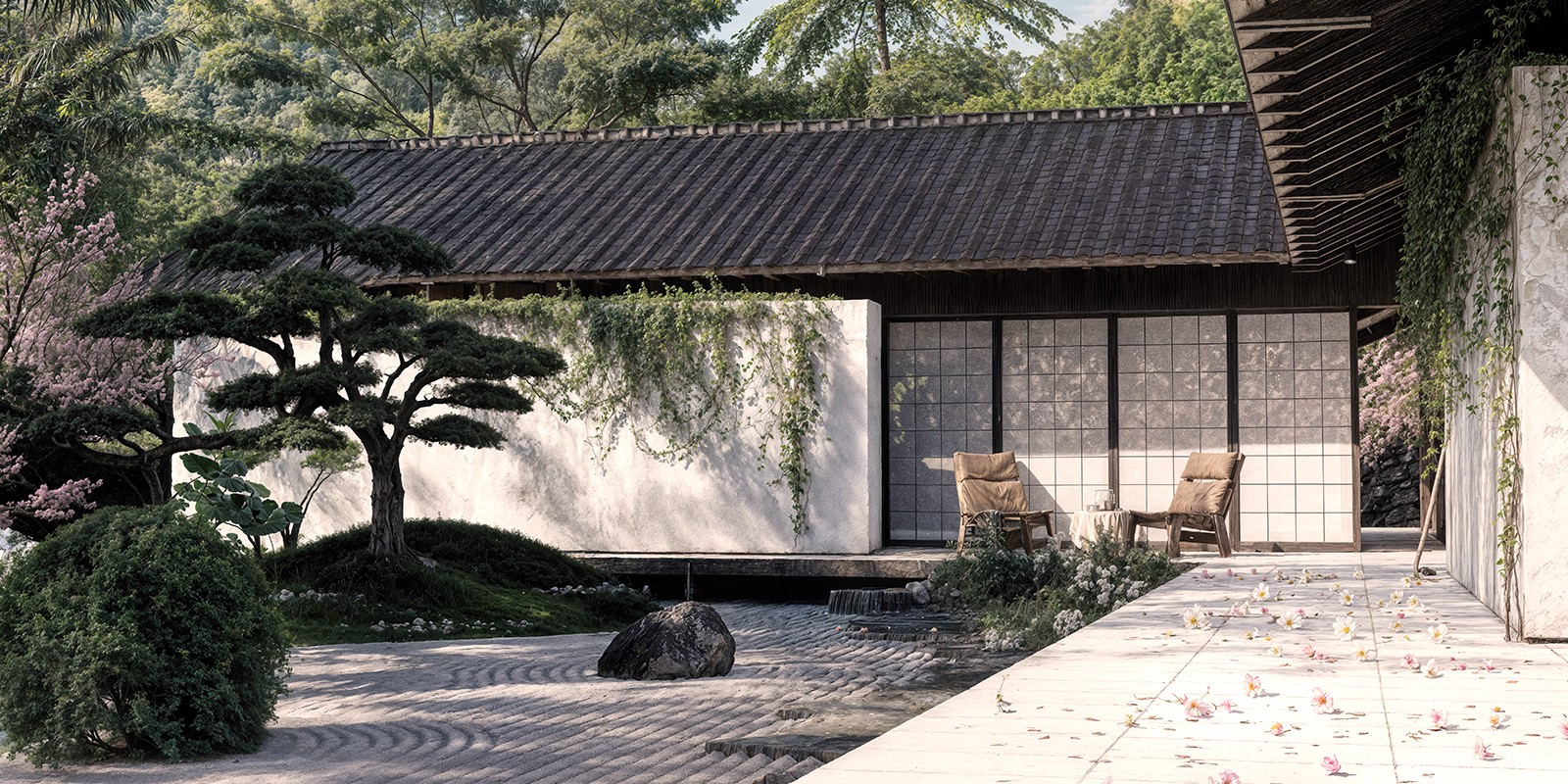
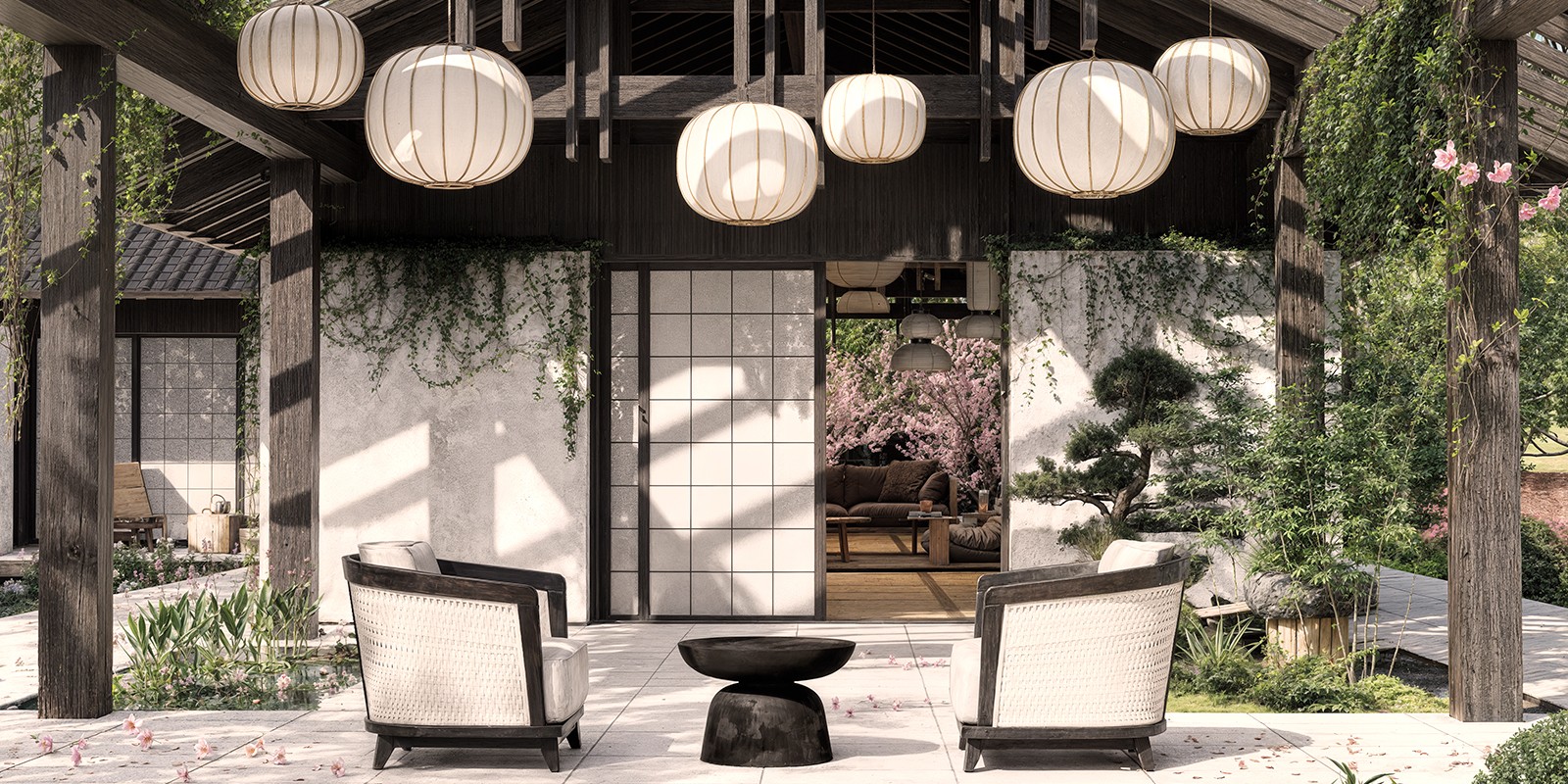
The architecture relies on restraint. Timber structure is expressed with clarity, its rhythm establishing order and depth. White plaster surfaces soften shadow while sliding panels diffuse light, allowing the garden to remain present without overwhelming the spaces it frames. Throughout the day, shade becomes the defining element, cooling, filtering, and shaping the experience of the house. The result is a home defined by atmosphere rather than display, rooted in climate, craft, and a sustained dialogue with landscape.
Living Within the Courtyard
Circulation unfolds as a sequence of compression and release. Narrow passages give way to open terraces, raked gravel courts, and shaded platforms suspended lightly above planting and water. Rather than privileging panoramic views, the house favors proximity and immersion. Stone, timber, and layered landscape shape moments of pause where movement slows and the experience becomes tactile. Interior and exterior operate as calibrated thresholds, encouraging a way of living that is measured and attentive.
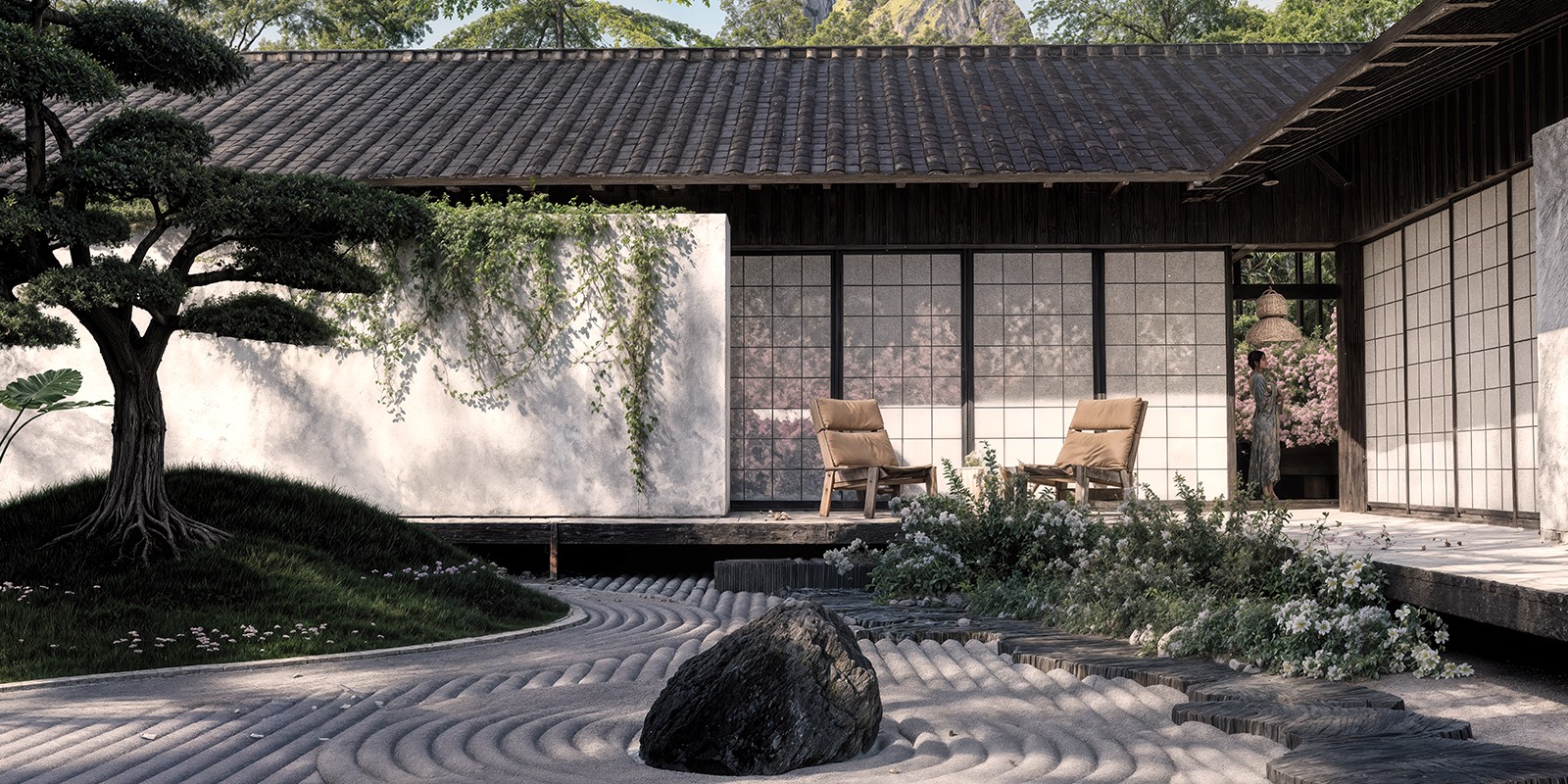
“Haleʻiwa Garden House dissolves the boundary between dwelling and landscape, allowing shade, structure, and garden to define the architecture as much as walls themselves.”
Kevin M. Welch, AIA
Architect + Founder | Arcturus
A Garden Held in Shade
Set within the coastal landscape of Haleʻiwa, the house is conceived not as an object placed upon the land, but as a quiet framework for garden and air. Low timber roofs extend outward to form deep overhangs that temper sun and rain, shaping a sheltered court at the heart of the home. Plaster walls and sliding panels define a series of edges that open and close with restraint, allowing vegetation, filtered light, and shadow to become the primary atmosphere. The architecture is grounded, deliberate, and shaped by the desire for retreat within a lush North Shore setting.
Residential Work
Hale'iwa Garden Home
A Garden Held in Shade
Set within the coastal landscape of Haleʻiwa, the house is conceived not as an object placed upon the land, but as a quiet framework for garden and air. Low timber roofs extend outward to form deep overhangs that temper sun and rain, shaping a sheltered court at the heart of the home. Plaster walls and sliding panels define a series of edges that open and close with restraint, allowing vegetation, filtered light, and shadow to become the primary atmosphere. The architecture is grounded, deliberate, and shaped by the desire for retreat within a lush North Shore setting.
Material and Light in Balance
The architecture relies on restraint. Timber structure is expressed with clarity, its rhythm establishing order and depth. White plaster surfaces soften shadow while sliding panels diffuse light, allowing the garden to remain present without overwhelming the spaces it frames. Throughout the day, shade becomes the defining element, cooling, filtering, and shaping the experience of the house. The result is a home defined by atmosphere rather than display, rooted in climate, craft, and a sustained dialogue with landscape.
Living Within the Courtyard
Circulation unfolds as a sequence of compression and release. Narrow passages give way to open terraces, raked gravel courts, and shaded platforms suspended lightly above planting and water. Rather than privileging panoramic views, the house favors proximity and immersion. Stone, timber, and layered landscape shape moments of pause where movement slows and the experience becomes tactile. Interior and exterior operate as calibrated thresholds, encouraging a way of living that is measured and attentive.
“Haleʻiwa Garden House dissolves the boundary between dwelling and landscape, allowing shade, structure, and garden to define the architecture as much as walls themselves.”
Kevin M. Welch, AIA
Architect + Founder | Arcturus
Material and Light in Balance
The architecture relies on restraint. Timber structure is expressed with clarity, its rhythm establishing order and depth. White plaster surfaces soften shadow while sliding panels diffuse light, allowing the garden to remain present without overwhelming the spaces it frames. Throughout the day, shade becomes the defining element, cooling, filtering, and shaping the experience of the house. The result is a home defined by atmosphere rather than display, rooted in climate, craft, and a sustained dialogue with landscape.
Living Within the Courtyard
Circulation unfolds as a sequence of compression and release. Narrow passages give way to open terraces, raked gravel courts, and shaded platforms suspended lightly above planting and water. Rather than privileging panoramic views, the house favors proximity and immersion. Stone, timber, and layered landscape shape moments of pause where movement slows and the experience becomes tactile. Interior and exterior operate as calibrated thresholds, encouraging a way of living that is measured and attentive.
“Haleʻiwa Garden House dissolves the boundary between dwelling and landscape, allowing shade, structure, and garden to define the architecture as much as walls themselves.”
Kevin M. Welch, AIA
Architect + Founder | Arcturus